About EMI & EMC Test Testing Services
CTL has EMI/EMC Test Facilities for various parameters like
- Conducted Emission Test,
- Radiated Magnetic Field Emission Test,
- Harmonic Current Emission Test,
- Electrostatic Discharge Immunity Test etc.
EMI/EMC tests are covered in the following Indian and International standards: IEC 61000-6-3, IEC 61000-6-4, IEC 60601-1, IEC 62040-2, IS 6873-2-1, CISPR 11, 13,14,15, IS 16047, IEC 61960, IEC 61000-4-2, IS 14700 (Part 4/Sec 2) etc.
EMI/EMC testing is done on products intended for residential, industrial, commercial or military use. The test verifies that the product performs its intended function in the electromagnetic environment. Regulatory compliance and due diligence require that electronic devices undergo one or both types of testing.
Electromagnetic compatibility (EMC) is concerned with the unintentional generation, propagation and reception of electromagnetic energy which may cause unwanted effects such as electromagnetic interference (EMI) or physical damage in operational equipment.
Electromagnetic Interference (EMI) testing is done to ensure that the product performs properly when subjected to the electromagnetic environment in which it is expected to operate.
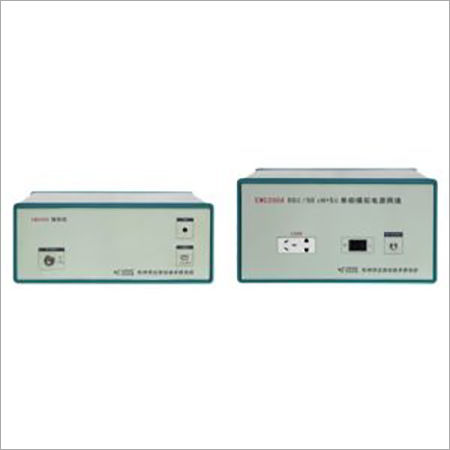
Comprehensive Standards ComplianceWe conduct EMI and EMC testing as per global standards, including EN/IEC, CISPR, MIL-STD, FCC, and ISO/IEC 17025, ensuring your products meet the necessary regulatory requirements for both local and international markets. Our expertise covers a wide spectrum of usage, from consumer electronics to medical devices and industrial equipment.
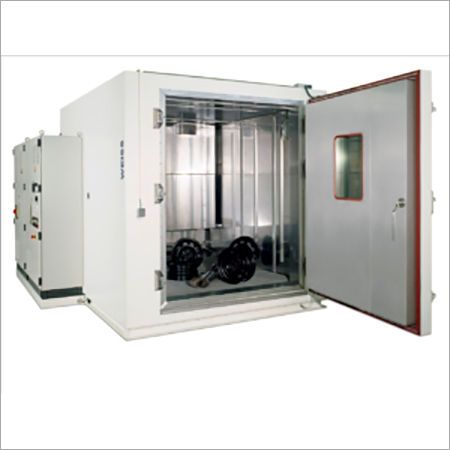
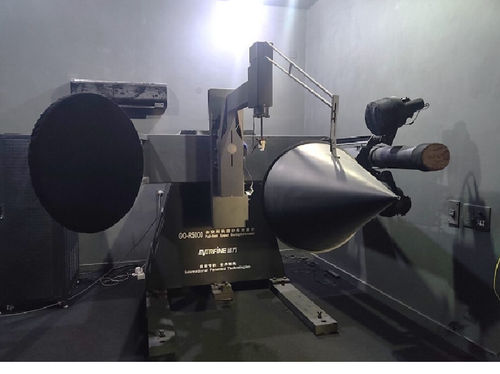
Advanced Testing FacilitiesOur state-of-the-art anechoic chambers and open area test sites provide controlled environments for accurate and reliable measurements. All test instruments are periodically calibrated to guarantee precision, while our setups accommodate various device sizes and measurement ranges, up to 40 GHz frequency.
Detailed Reporting and Support ServicesClients receive detailed, easy-to-interpret test reports in both digital and printed formats. Additional services include pre-compliance consultancy, remediation advice, and certification assistance, helping expedite your products journey towards market readiness with clarity and confidence.
FAQs of EMI & EMC Test Testing Services:
Q: How is EMI & EMC testing performed for different devices?
A: Testing is carried out in accredited anechoic chambers or open area sites using standardized procedures aligned with EN/IEC, CISPR, MIL-STD, and FCC guidelines. Both automated and manual instruments measure electromagnetic emissions and immunity, ensuring devices meet regulatory thresholds.
Q: What types of products can be tested through your services?
A: We test a wide range of devices including consumer electronics, automotive modules, medical equipment, and industrial systems. Our facilities can accommodate customizable device sizes and weights depending on specific testing requirements.
Q: When can I expect my test reports and results?
A: Typically, the complete testing process and reporting are accomplished within 510 working days. Clients receive detailed digital and printed reports outlining all findings and compliance status.
Q: Where is the testing conducted, and can you provide onsite services?
A: Testing is performed at our advanced labs with equipped anechoic chambers and open area test sites. For client convenience, we also offer onsite testing services where feasible, ensuring flexibility for your production or assembly timelines.
Q: What is the process for obtaining certification after testing?
A: Upon completion of testing, we provide comprehensive test reports and assist clients in the application and documentation process for product certification, streamlining regulatory submissions for both local and international markets.
Q: How do I benefit from pre-compliance consultancy and remedial support?
A: Our pre-compliance consultancy identifies potential EMI/EMC issues early, enabling design corrections before full compliance testing. Remedial support offers targeted recommendations to resolve any test failures, helping reduce time-to-market.
Q: What data logging and monitoring options are available during tests?
A: Integrated software tools allow real-time data logging and visualization via digital oscilloscopes or PC interfaces (USB/LAN), ensuring precise capture and analysis of test data for thorough assessment and future reference.